News Digest
Reporting filed on India News Grid, followed by curated headlines from external news sources. External headlines link through to the publisher's site.

BRIC aims at USD 300 billion Indian bioeconomy by 2030 and USD 1 trillion by 2047: Jitendra Singh
New Delhi, Nov 21: Union Minister Dr. Jitendra Singh said today that BRIC aims at USD 300 billion Indian bioeconomy by 2030 and a USD 1 trillion bioeconomy by 2047. The integration of biotechnology research institutions under the Biotechnology Research and Innovation Council (BRIC) was among the first initiatives of its kind in the Government of India, demonstrating a pioneering model of institutional integration that has subsequently inspired similar approaches across other organisations, said the Minister. Addressing the Fourth Annual General Meeting of the BRIC Society, Dr. Jitendra Singh said the initiative was conceived to bring institutions together through shared resources, collaborative science and integrated governance, while retaining their scientific strengths. He said India's biotechnology transformation, with the bioeconomy growing from around USD 10 billion to over USD 195 billion, has contributed significantly to the country's development journey, reflecting the expanding role of science, innovation and technology in national growth. The Fourth Annual General Meeting of the Biotechnology Research and Innovation Council (BRIC) Society was held at Kartavya Bhawan, New Delhi, under the chairmanship of Dr. Jitendra Singh, Minister of State (Independent Charge) for Science & Technology and Earth Sciences, and Minister of State in the Prime Minister’s Office, Personnel, Public Grievances and Pensions, Atomic Energy and Space, Government of India, and President, BRIC Society. The meeting reviewed BRIC’s institutional progress, scientific achievements, governance reforms, research collaborations and future priorities. Dr. Rajesh S. Gokhale, Secretary, Department of Biotechnology (DBT) and Director General, BRIC, made a detailed presentation on the Council’s achievements and activities, followed by deliberations and inputs from Society members, including those participating virtually. Dr. Jitendra Singh said BRIC represents a new approach to scientific institution-building in India, where institutions work collectively, share capabilities and pursue multidisciplinary research while retaining their individual strengths. He welcomed BRIC’s continued strong research performance, ranking first among government institutions in health sciences and second in biological sciences in India for the second consecutive year, as per the Nature Index India. He said scientific achievements must not remain confined to publications and patents but translate into technologies, products and solutions that make a tangible difference to people’s lives. The Minister referred to research emerging from BRIC institutions across healthcare, agriculture, animal health, advanced materials and technology platforms, including novel therapeutics, diagnostics, disease detection, climate-resilient agriculture and sustainable biomaterials. He stressed that research priorities must increasingly be aligned with national needs and societal challenges, benefiting patients, farmers, industries and communities. Dr. Jitendra Singh called for stronger engagement between scientists, entrepreneurs, investors and industry from the early stages of technology development. He said research translation requires capital, mentorship, industry partnerships and a better understanding of market and regulatory pathways, and that the journey from laboratory to market must become a natural extension of the research ecosystem. The Minister welcomed initiatives such as the Entrepreneur-in-Residence programme and collaborations aimed at strengthening biomanufacturing, technology scale-up and commercialisation. He encouraged BRIC institutions to build deeper connections with industry and innovation networks, enabling researchers to take their discoveries forward into startups, products and commercially viable technologies. Dr. Jitendra Singh emphasised the importance of creating an enabling ecosystem for young scientists and innovators, encouraging them to move beyond publications and patents towards product development, technology translation and enterprise creation. He said India’s expanding biotechnology startup ecosystem, now comprising more than 11,000 startups, reflects growing confidence in the country’s scientific and entrepreneurial capabilities. During the deliberations, Society members participating virtually also emphasised opportunities in AI and biology, technology development and attracting Indian scientific talent working abroad to return and contribute to the country’s research ecosystem. Suggestions included leveraging platforms such as Vaibhav Connect to connect the scientific diaspora with research opportunities in BRIC institutions, strengthening interdisciplinary engagement with social sciences to address societal challenges, and expanding collaboration with entrepreneurs and industry to accelerate innovation. Referring to the D.E.S.I.G.N. for BioE3 Challenge, Dr. Jitendra Singh said the initiative has mobilised young people across the country towards biotechnology innovation, with more than 6,000 proposals received from school students and citizens across both categories. He encouraged BRIC to continue nurturing talent, attracting promising researchers and creating opportunities for ambitious interdisciplinary research. He also stressed the importance of communicating scientific research in accessible formats so that its relevance and societal benefits reach a wider audience. Dr. Jitendra Singh welcomed the strengthening of BRIC’s governance and institutional framework, including the operationalisation of its Secretariat and efforts to reinforce research capacity through recruitment against revived scientific positions. He said institutional integration, shared infrastructure and collaborative research must continue to create new opportunities for scientific talent and strengthen India’s research capabilities. The AGM also witnessed the launch of the BRIC Handbook of Memorandum of Association (MoA), Rules, Regulations and Bye-laws by Dr. Jitendra Singh, providing a consolidated reference for the governance and functioning of the Council. Members were also apprised of strategic initiatives, governance activities and the proposal concerning the dissolution of existing societies of constituent autonomous institutions and their merger with BRIC as part of the ongoing institutional restructuring. Emphasising the road ahead, the Minister said India’s ambition of building a USD 300 billion bioeconomy by 2030 and a USD 1 trillion bioeconomy by 2047 calls for greater scale in scientific innovation, research translation, industry participation and talent development. He called upon BRIC to continue emerging as a globally recognised platform for collaborative science, breakthrough innovation and technology-led national development, ensuring that the benefits of biotechnology reach farmers, patients, industries and communities across the country.

Kolkata Mathematician Neena Gupta solves a mathematical problem that stumped experts for seven decades
Kolkata mathematician Neena Gupta has brought pride to the city and the country with her remarkable contribution to the field of mathematics. Her research solved a mathematical problem that had remained unanswered for nearly 70 years. Her achievement has earned her recognition among some of the leading mathematicians in the world. Gupta is a professor at the Indian Statistical Institute (ISI), Kolkata. She came into the international spotlight in 2014 after making a breakthrough in the famous Zariski Cancellation Problem. The problem was first proposed by mathematician Oscar Zariski in 1949 and had challenged researchers for decades. In simple terms, the problem asks whether two mathematical spaces that become identical after adding an extra dimension must also be identical in their original form. Gupta demonstrated that this assumption does not always hold true. Her research provided a counterexample in positive characteristic and made an important contribution to algebraic geometry. Who is Neena Gupta? Born in Kolkata in 1984, Neena Gupta developed an interest in mathematics during her school days. She completed her schooling at Khalsa Model Senior Secondary School in Kolkata. She went on to study Mathematics Honours at Bethune College, one of the oldest women's colleges in the country. She graduated in 2006. Her interest in mathematics grew further during her college years, when her teachers encouraged her to pursue higher studies. After graduation, she joined the Indian Statistical Institute in Kolkata. She completed her postgraduate studies in Mathematics in 2008 and later pursued doctoral research in commutative algebra under Professor Amartya Kumar Dutta. During her research, Gupta became interested in algebraic geometry and the Zariski Cancellation Problem. She began working on the problem in 2011. After years of research and detailed mathematical investigation, she achieved her breakthrough in 2014. Her work was an important moment in her academic career and brought international attention to the research being carried out at ISI Kolkata. A list of prestigious awards Gupta's contribution to mathematics has earned her several major awards and honours. In 2014, she received the Young Scientist Award from the Indian National Science Academy. In 2019, she was awarded the prestigious Shanti Swarup Bhatnagar Prize in Mathematical Sciences. In 2021, she received the Ramanujan Prize for Young Mathematicians from Developing Countries. She was also honoured with the Nari Shakti Puraskar in 2022. In 2024, she received the Infosys Prize in Mathematical Sciences. She has also been invited to speak at the International Congress of Mathematicians, one of the most important gatherings in the global mathematics community. An inspiration for young students Neena Gupta's journey is particularly inspiring for young women who want to build careers in science and research. Her success shows that groundbreaking discoveries do not happen overnight. They require years of patience, hard work and dedication. From the classrooms of Kolkata to the international mathematics community, Gupta has made a remarkable journey. Her achievements have brought recognition to the Indian Statistical Institute and highlighted India's contribution to advanced mathematical research. Neena Gupta's story is also a reminder that world-changing ideas can emerge from ordinary classrooms when curiosity is supported by hard work and the courage to ask difficult questions.
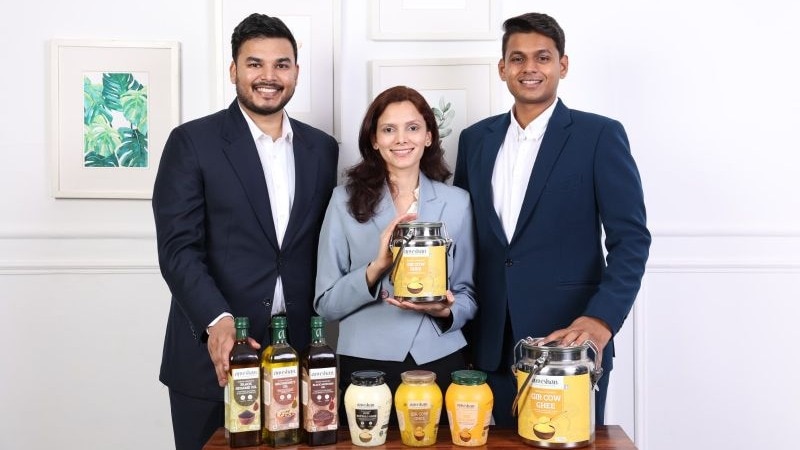
How 3 IIT Guwahati graduates built a farming startup from a 2BHK Bengaluru flat
Three IIT Guwahati graduates built Anveshan from a Bengaluru 2BHK in 2020. The venture now helps over 250 farmers process produce and seek better returns.

Indian space startup SatSure gets Rs 60 crore to advance satellite technology
Bengaluru-based SatSure has secured Rs 60 crore from the government-backed Antariksh Venture Capital Fund to advance satellite imaging technology and expand its Earth-observation business.
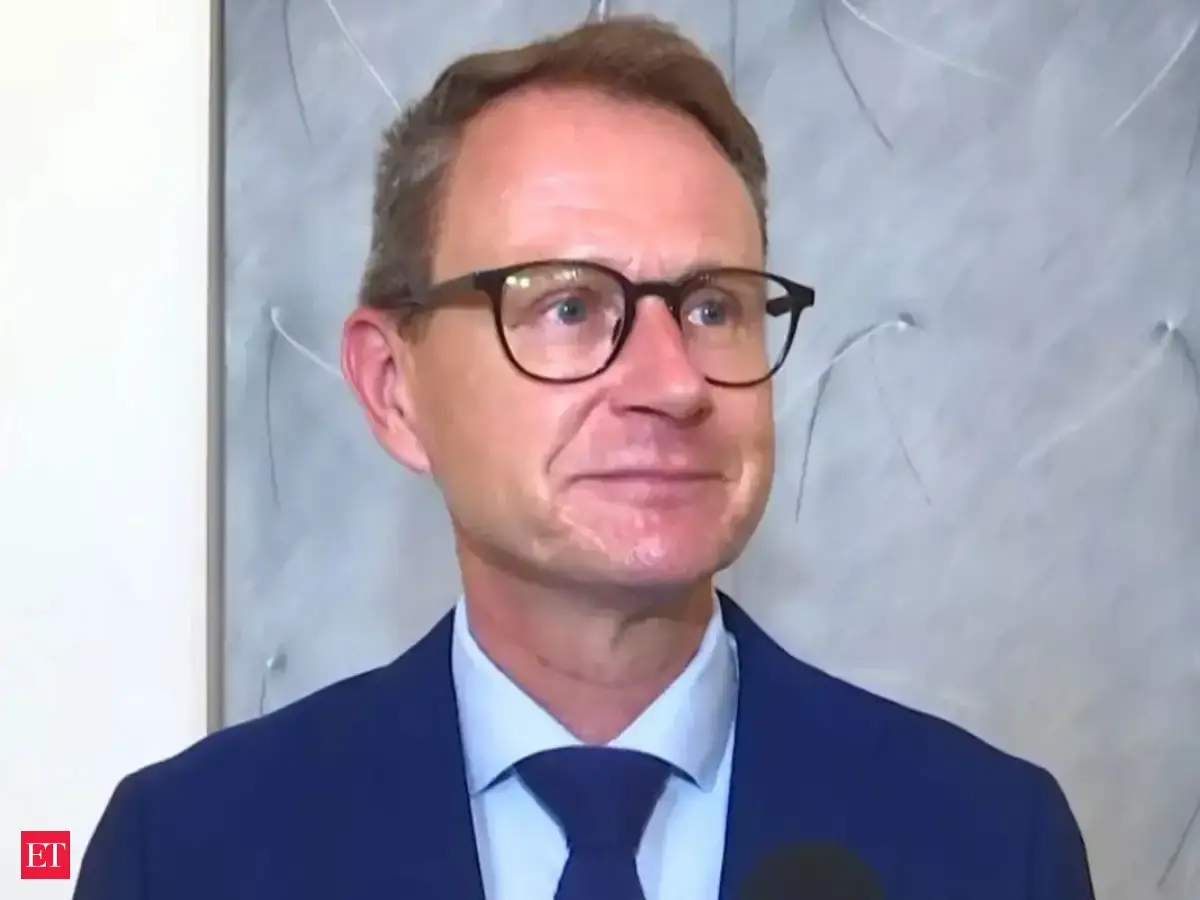
India, Finland seek to deepen economic ties through startup cooperation: Envoy
India and Finland are working to strengthen their economic relationship by focusing on startup collaboration. Finnish Ambassador Mikko Kivikoski stated the importance of engaging with Indian startups for promoting investment. The Polar Bear Pitching event showcased startups, with Yash Goliya winning...
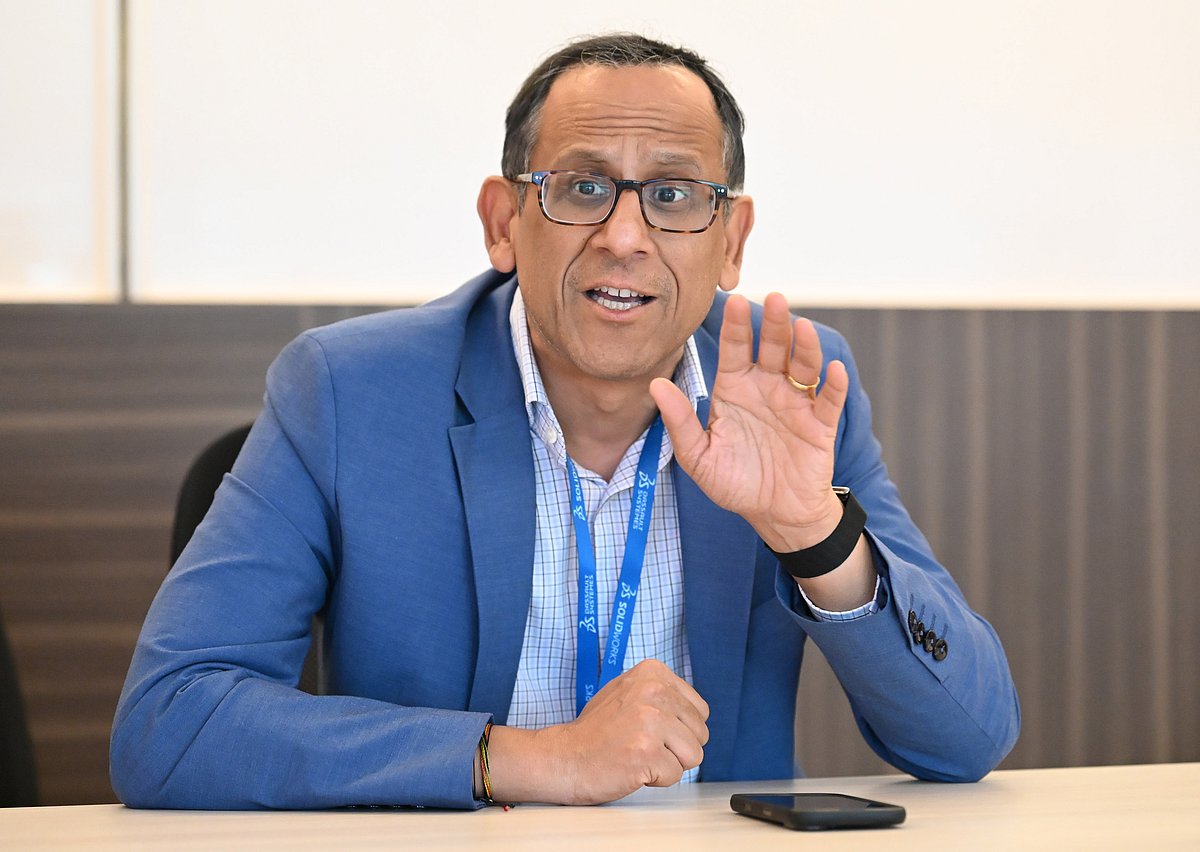
French giant deepens tech ties with 550 Indian startups, bets big on TN
Under the proposed arrangement, start-ups incubated at IIT Madras will be able to access the company’s engineering software within the incubation premises.
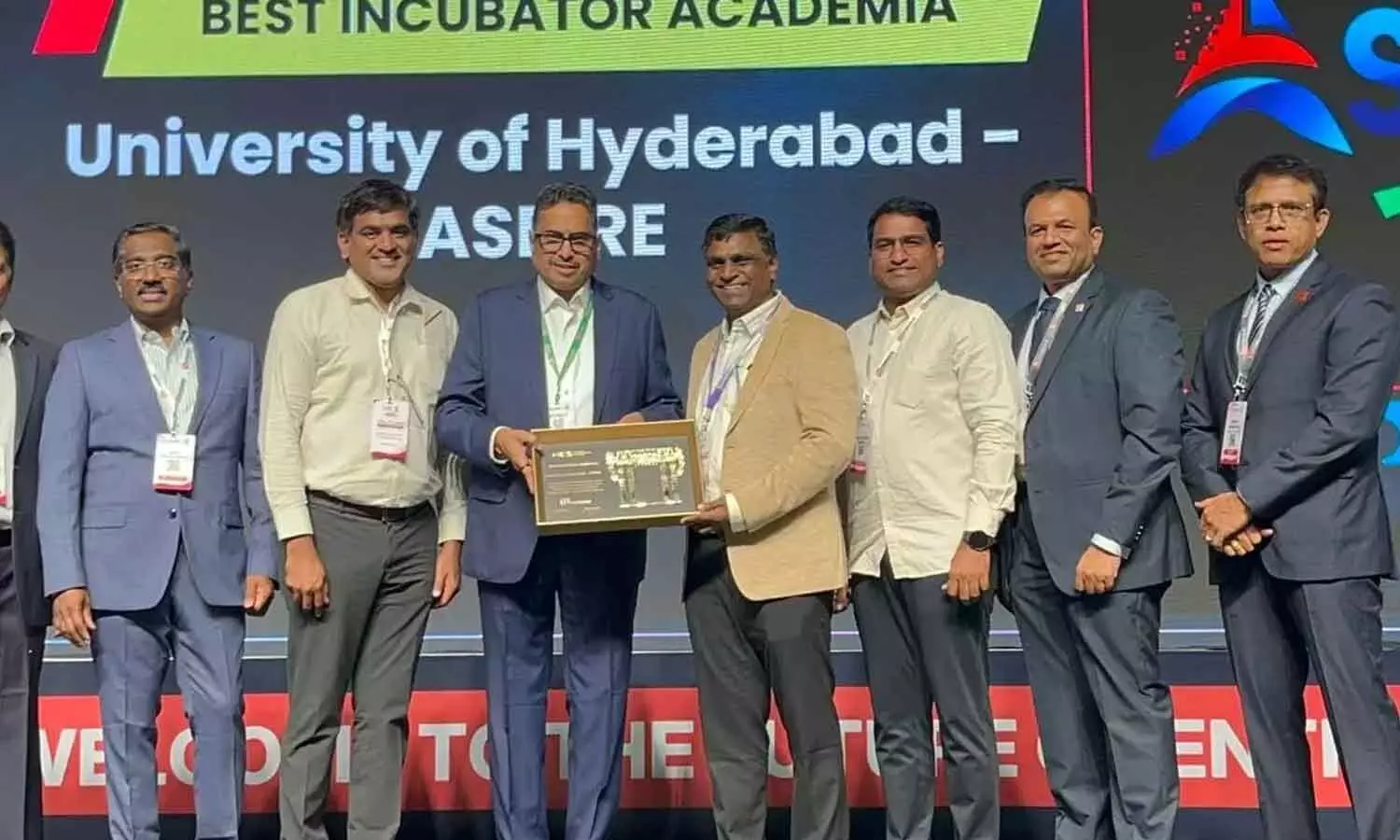
UoH ASPIRE wins best academic incubator award at HES 2026
University of Hyderabad’s ASPIRE wins TiE Hyderabad’s Best Academic Incubator Award at HES 2026 while three incubated startups—Dnome, Cology Biosciences, and MyRNA Biologics—make the TiE50 list.

HyKr launches offline venture studio
HyKr Venture Studio opens its offline startup hub in Hyderabad for up to 50 ventures, launching HyKr OS, EIR, and Idea Lab alongside the ₹35 lakh HyKr Build Challenge finale.

Tarot Predictions For November 21, 2026: What The Universe Has In Store For Your Zodiac Sign
Discover what November 21, 2026, has in store for your zodiac sign. From career moves and financial decisions to love, health and travel, read your daily tarot predictions, plus special birthday predictions for those born on November 21.
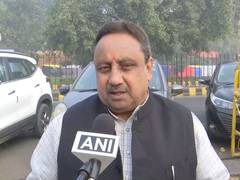
India’s traders cannot be reduced to a subject of political rhetoric through tweets from Rahul Gandhi: CAIT
"Before lecturing for the trading community, Rahul Gandhi should introspect on his party's own record. India's traders remember the Inspector Raj and Licence-Permit Raj of the Congress era. They also recognise the significance of the reforms undertaken under Prime Minister Narendra Modi. Traders want solutions, not selective political narratives. The need of the hour is to strengthen India's entrepreneurs and move towards a stronger, competitive and self-reliant economy," Khandelwal said.

Mohammed Shami: How the Amroha farmer’s son bowled his way to ₹85 crore
He earned about Rs 85 crore from IPL and BCCI contracts across 13 seasons and never put a rupee of it into a company. Mohammed Shami's fortune was built the way his wickets were: one ball at a time, on a body that kept breaking, by a man who did not know how to leave a game halfway.

Indegene is Indo-UK Life Science Corridor’s first industry partner
Indegene is Indo-UK Life Science Corridor’s first industry partner