From Screens to Everyday Life: How K-Pop and Korean Culture are Influencing Indian Children
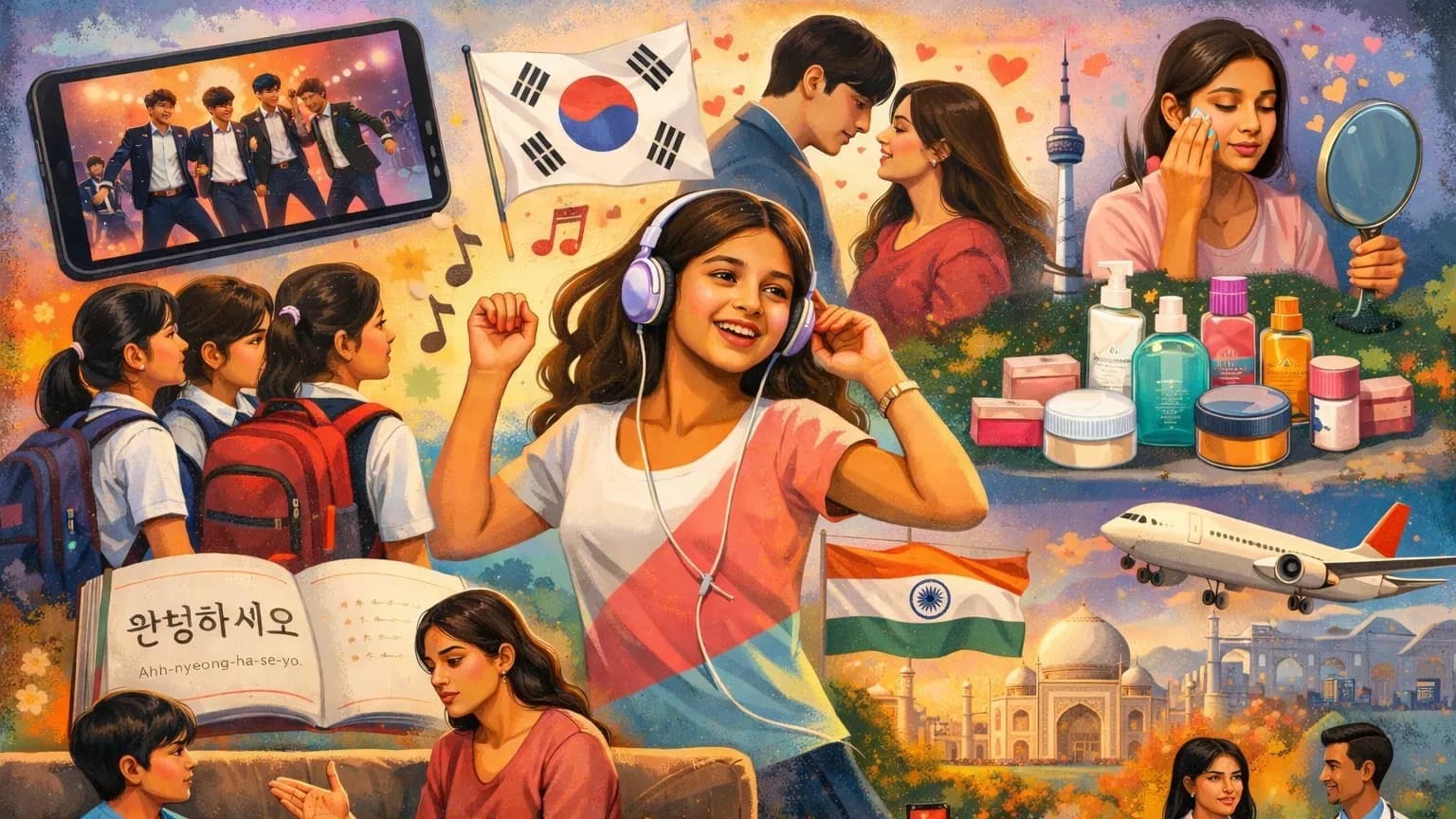
What began as catchy music videos and subtitled dramas has quietly grown into a powerful cultural presence in many Indian homes. For today’s children and teenagers, K-pop and Korean culture are no longer “foreign trends” but a regular part of daily life, shaping playlists, clothing choices, beauty routines, and even aspirations. Enabled by smartphones, streaming platforms and social media algorithms, the Korean Wave now reaches deep into young minds, bringing both meaningful opportunities and real challenges.
On the positive side, Korean pop culture often introduces children to fresh ways of thinking and feeling. K-pop groups emphasize teamwork, discipline and perseverance, while K-dramas frequently focus on friendship, family bonds and emotional honesty. For many young viewers, these stories feel relatable and comforting. Parents and teachers across India have noticed a growing curiosity among children to learn Korean words, try dance routines, or explore music production, small but significant signs of creative engagement and global awareness.
The influence is also visible in everyday habits. Korean fashion and skincare trends have nudged young people to pay more attention to grooming and self-care. When approached sensibly, this can build confidence and awareness rather than vanity. Coverage by Indian media houses has repeatedly pointed to India’s growing interest in Korean products, cafés and cultural experiences, reflecting how deeply this influence has entered mainstream youth culture.

However, the concerns cannot be ignored. Mental-health experts warn that intense fandom can sometimes slip into emotional over-investment. Children may form parasocial relationships, strong, one-sided emotional attachments to idols they have never met. As reported by The Indian Express, constant exposure to carefully curated online personas can lead to unhealthy comparison, anxiety and pressure to “measure up,” especially during formative years.
Beauty standards are another sensitive area. Trends like “glass skin,” heavily filtered and edited online, may feel unattainable for many Indian children living in different climates and genetic realities. When these ideals are absorbed without context, they can quietly erode self-esteem. Psychologists note that some children begin to associate worth with appearance rather than health, effort or individuality.
Recent incidents underline why balance matters. In early 2024, three 13-year-old girls from Tamil Nadu reportedly left home intending to travel to Seoul to meet their favourite K-pop band, an incident widely reported by the media. In another case from Ghaziabad, three minor sisters were found to have developed an intense identification with Korean culture, reportedly adopting Korean names. Reporting by the Indian news channels sparked national conversations around online isolation and parental oversight.
The way forward is not rejection, but guidance. Open conversations at home, reasonable screen-time boundaries, and encouragement of offline friendships can make a significant difference. Schools can help by teaching media literacy, showing children how entertainment, marketing and reality differ. Influencers and platforms, too, must act responsibly by promoting realistic standards and safer digital spaces.
K-pop and Korean culture are not inherently harmful. In fact, they offer Indian children creativity, connection and a window to the world. With awareness, empathy and balance, this global influence can enrich young lives, without overshadowing mental well-being or healthy identity formation.