Geminids Meteor Shower 2026: US Peak Night and Viewing Tips
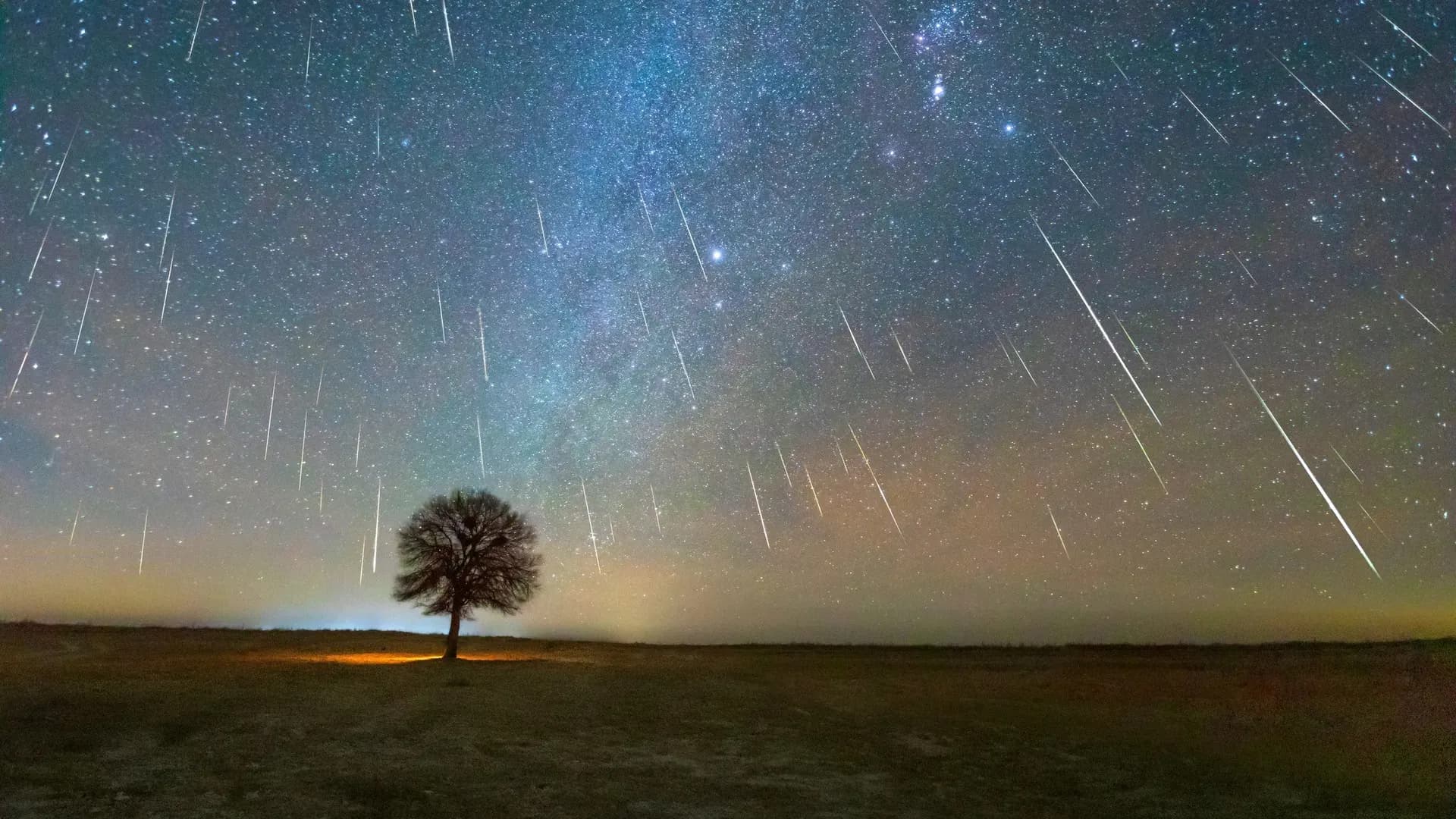
The Geminids meteor shower peaks on 13–14 December 2026. US skywatchers can look from Sunday evening, 13 December, into Monday morning. NASA suggests starting around 9:00–10:00 PM local time and watching until dawn. At 9:00 PM EST in New York it is 7:30 AM IST on 14 December; at 9:00 PM PST in Los Angeles it is 10:30 AM IST. These are US viewing times, and the shower has no fixed opening or closing time.
The Geminids meteor shower peaks on the night of Sunday, 13 December, into Monday, 14 December 2026. In the United States, NASA recommends looking from around 9:00–10:00 PM local time and continuing into the hours before dawn. The shower is active from 4 to 17 December, so nearby nights are worth trying if clouds cover the peak. NASA’s Geminids viewing guide
What time should you look?
Use your local clock. For readers comparing time zones, 9:00 PM EST in New York on 13 December is 7:30 AM IST on 14 December. The same local start in Los Angeles, 9:00 PM PST, is 10:30 AM IST on 14 December. Those IST conversions are for US viewing times.
Where should you look?
Choose a dark spot away from streetlights with a wide view of the sky. Although the meteors appear to come from the direction of Gemini, they can streak across any part of the sky. You can watch with the naked eye. Give your eyes about 30 minutes to adjust, dress for the cold and check cloud cover before heading out.
How many meteors could you see?
NASA lists an estimate of 40–50 meteors per hour under dark skies. Actual sightings will vary with cloud cover, light pollution and how much of the sky you can see. The streaks form when debris from the asteroid 3200 Phaethon enters Earth’s atmosphere.
Do you need tickets or registration?
Self-guided viewing requires no booking. If you plan to watch from a park or join an astronomy club or observatory event, check local opening hours, after-dark access and any reservation requirements.
Choose a dark location with a wide view of the sky, check the weather and confirm after-dark access before visiting a park. Give your eyes about 30 minutes to adjust. This is a natural event that requires no registration for self-guided viewing. Local organised sessions may have their own rules.
NASA viewing guide: https://science.nasa.gov/solar-system/meteors-meteorites/geminids/
Image credit: bjdlzx via Getty Images