Train Delayed or Cancelled Due to Fog? IRCTC Refund and TDR Rules Explained
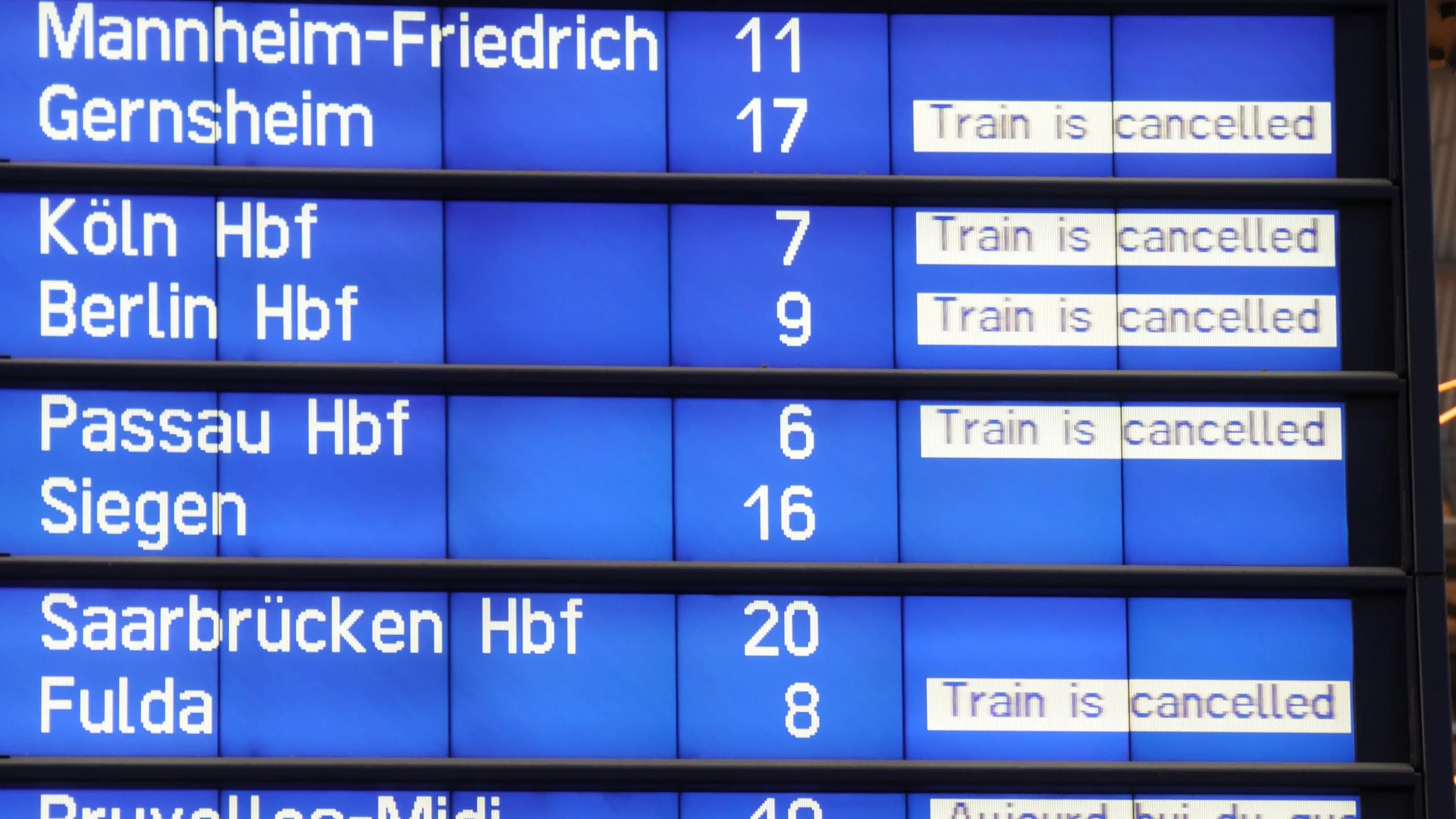
Train Cancelled · Image: By Frank Wittkowski from Pixabay
Published: 15 November 2026 |Dense winter fog delays, diverts and cancels trains across northern India every year. If your journey is affected, the first question is simple: has Indian Railways cancelled the train, or is it still running, just late?
The answer decides what you need to do. If the whole train is cancelled, an IRCTC e-ticket refund is automatic. If the train is running more than three hours late and you choose not to travel, you must file a Ticket Deposit Receipt (TDR) before the train actually leaves your boarding station. Miss that deadline and you lose the refund.
The rules below follow IRCTC's refund and cancellation rules and the revised cancellation rules in force since 1 April 2026.
Flying instead? Read our guide: Refunds for Flight Delay or Cancellation
Is the refund automatic if the train is cancelled?
Yes. If Indian Railways cancels a train for its entire journey, confirmed and RAC e-tickets booked through IRCTC are refunded in full automatically, to the payment method used for booking. You don't need to cancel the ticket or file a TDR.
Don't cancel the ticket yourself after the train has been cancelled. A cancellation you make can be processed under the ordinary rules, with deductions. Keep the official cancellation message as proof.
If you hold a counter ticket, you can claim the refund at a reservation counter within three days of the train's scheduled departure, not counting the day of departure.
Can you get a refund if the train is running late?
Yes, in full, if all three conditions are met:
The train is running more than three hours late at your boarding station
You don't travel
You file the refund request before the train actually departs from your station
For an IRCTC e-ticket, file a TDR online and select the reason “Train Late More Than Three Hours and Passenger Not Travelled”. For a counter ticket, surrender it at the counter before the train's actual departure. When the conditions are met, no cancellation charge or clerkage is deducted.
Once the train departs, the late-train refund is gone. If you're waiting to see whether the delay grows, keep checking the official running status and file the TDR the moment you decide not to travel.
What if the delay is three hours or less?
The full-refund rule doesn't apply. If you choose not to travel, the ordinary cancellation rules apply. For confirmed tickets, the windows in force since 1 April 2026 are:
More than 72 hours before departure: a flat cancellation charge
72 to 24 hours before departure: 25% of the fare deducted
24 to 8 hours before departure: 50% of the fare deducted
Less than 8 hours before departure: no refund
Most fog delays become clear only hours before departure, which often puts passengers in the no-refund window. Don't select the “more than three hours late” reason unless the official running record supports it.
What if the train is diverted or only partly cancelled?
The automatic refund applies only when the train is cancelled for its entire run. If the train is diverted, partly cancelled, terminates short of its destination, or doesn't touch your boarding or destination station, you need to file a TDR with the matching reason.
For a diversion, the deadline is generally up to 72 hours from the train's scheduled departure from your boarding station. If the train terminates before your destination, it's up to 72 hours from the scheduled arrival at your destination. Choose the reason carefully, because the Railways will check your claim against their records.
Do Tatkal tickets get a refund?
A confirmed Tatkal ticket isn't refunded if you cancel it yourself. But the disruption rules still apply: if the train is more than three hours late and you file a TDR before it departs, you can claim a full refund. If the entire train is cancelled, the cancelled-train refund applies.
What happens to waitlisted tickets?
If every passenger on an e-ticket is still waitlisted when the chart is prepared, the ticket is cancelled and refunded automatically, after a clerkage deduction. You can't board on a fully waitlisted e-ticket.
If the train is more than three hours late and you don't travel, the late-train rule applies to RAC and waitlisted tickets too, as long as you file the TDR before departure.
Mixed bookings need care. If one PNR has confirmed, RAC and waitlisted passengers, the process depends on who travels. In some cases, you'll need a certificate from the ticket-checking staff, an online TDR, and the original certificate posted to IRCTC. Check the rule for your exact situation before the train departs.
What if you miss a connecting train?
IRCTC has a TDR reason for missing a connecting train because the first one arrived late. The two tickets must be booked as a linked journey, and the TDR must be filed within three hours of the actual arrival of the train you travelled on. Two separately booked tickets aren't treated as a connection just because you planned to take both.
How to file a TDR on IRCTC
Log in to the IRCTC account you booked with.
Go to My Account, then My Transactions, then the TDR section.
Select the PNR and the passengers who didn't travel.
Choose the correct TDR reason.
Read the declaration and submit.
Save the TDR reference number.
IRCTC's official TDR filing guide shows each step. A TDR is a claim, not an instant refund: the relevant Zonal Railway decides whether it's accepted, and IRCTC credits the approved amount once the Railway releases it.
What records should you keep?
Your ticket and PNR
A screenshot of the train's running status, taken before you file
Any official cancellation or diversion message
Your TDR acknowledgement and reference number
Refund updates and emails to IRCTC
How to contact IRCTC about a refund
Use the IRCTC eQuery portal, email [email protected] from your registered email address, or call 14646. You can also track your refund and TDR status in your IRCTC account.
Don't fall for fake refund links
Disrupted journeys bring fraudulent calls and messages claiming a refund is waiting. Never share your UPI PIN, card PIN, banking password or OTP, and never give anyone screen-sharing or remote access to your phone. You don't need a UPI PIN to receive money.

If you lose money to fraud, contact your bank immediately, call the national cybercrime helpline on 1930 and file a complaint at cybercrime.gov.in. Our guide explains how to report cyber fraud in India.
The quick guide
Entire train cancelled: e-ticket refund is automatic
More than three hours late and you don't travel: file a TDR before the train actually departs
Diverted or partly cancelled: file a TDR with the matching reason, usually within 72 hours
Three hours late or less: ordinary cancellation rules apply, and there's no refund within eight hours of departure
You travel despite the delay: no refund
Railway refunds are all about deadlines. Check the official running status, pick the right reason, and file before the train leaves.
Editorial note
This article provides general passenger information and is not legal advice. Refund eligibility depends on your ticket, the train's status, the reason chosen, the deadline and verification by the Railways. Check the latest IRCTC and Indian Railways rules before filing a claim.