What Makes a Good Media Kit? A Checklist for Brands and PR Teams
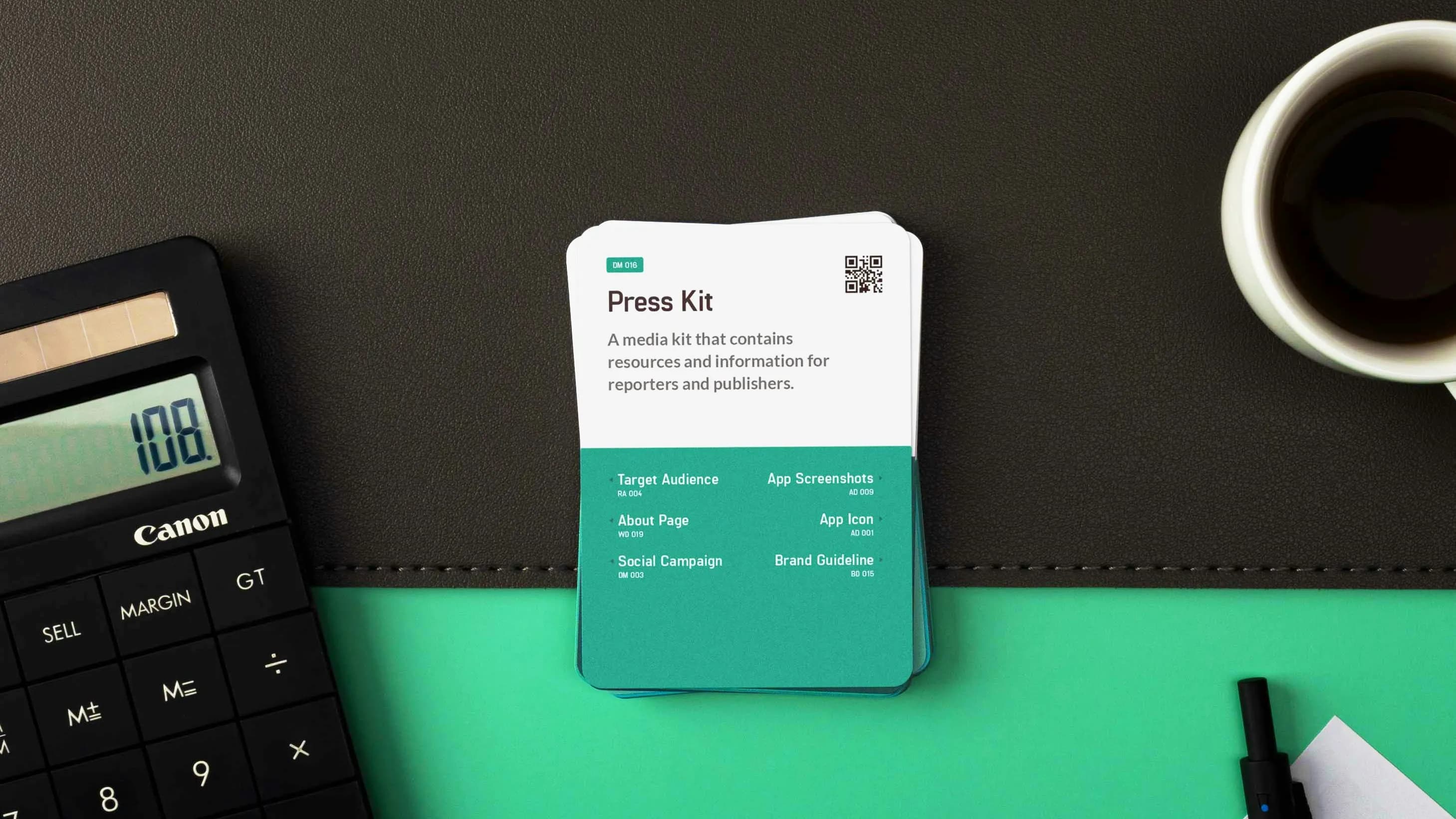
What to include in a Press Kit? · Image: Unsplash
What is a media kit (press kit)?
A media kit, also called a press kit or media pack, is the set of materials a brand or PR team shares with journalists, editors and publishers when announcing news, whether that’s a product launch, a funding round, an event, an appointment or an award. It usually brings together a press release, key facts, images and contact details.
Why completeness matters: it’s about trust
A missing detail rarely means a story is dropped. It means extra emails and calls before the story can be written, and that has a longer-term cost.
“I wouldn’t drop a story because of a detail missing in a media kit. Because it means there will be back and forth. It will make me wary for the next time with the same PR professional/agency.” — Ruth Dsouza Prabhu, award-winning food writer and journalist
Prabhu, who also runs workshops for PR professionals on how to think like a journalist, recently summed up what writers value in a media pack: a detailed press release, every name spelt correctly, the address and social handles, pricing and relevant numbers, high-resolution images sorted into labelled folders and linked to the story, photo credits, and a link that doesn’t expire. PR teams who get this right, she noted, are genuinely appreciated.
The view from the PR side is the same. For Sarup Ganguly, a PR professional at Upsurge Communications, Kolkata, the difference lies in who a kit is written for.
“Most kits are written for the brand’s announcement. The ones journalists keep coming back to are written for the journalist’s deadline… When a journalist feels you’ve saved them time, they’ll take your call next time, even when you have nothing to sell.” — Sarup Ganguly, PR Professional, Upsurge Communications, Kolkata
The kits he remembers had facts he could trust without double-checking, photos he could use straight away, and a real person who picked up the phone. They also offered a little more than the news itself: some background, a number or two, and a line on why it matters now.
What to include in a media kit or press kit
How to organise the kit
Brand-Name_Media-Kit/
  01_Press-Release
  02_Fact-Sheet
  03_Images (People, Product, Workspace, Events)
  04_Logos
How to create a press kit in 6 steps
Write the press release. Make the first paragraph stand on its own, and end with your boilerplate.
Build a one-page facts sheet. Names, address, website, social handles, pricing and key numbers with their sources.
Collect two or three quotes. Each with the speaker’s name and designation.
Gather images and logos. High resolution, sorted into labelled folders, with photo credits.
Name one point of contact. A real person, with phone and email, who will reply.
Share one permanent link. A shared folder or online newsroom, also linked from your website’s press page.
Why accuracy matters more in the age of AI search
Journalists’ expectations have changed. “Earlier, a neat PDF and a good folder did the job,” says Ganguly. Now journalists want things fast and easy to find: a proper online newsroom, downloadable assets, data they can quote and a contact who replies.
AI has raised the stakes further. People increasingly discover companies, products, people and events through Google AI Overviews, ChatGPT, Perplexity and Gemini, and these tools build their answers from what brands publish.
“With AI tools now reading and summarising whatever brands put out, your published material speaks for you even when no one is in the room… If your own content is vague or contradicts itself, the summary will be too.” — Sarup Ganguly, PR Professional, Upsurge Communications, Kolkata
His advice: keep your facts the same everywhere, write plainly, say where your numbers come from, and update your pages often.
From the publisher’s side
“As a self-publishing platform, we see stories published every day, and the ones that get noticed are rarely the loudest. They’re the ones with correct names, clear facts, sourced numbers and good images. The brand prepares once, publishes with confidence, and that same material is what journalists, search engines and AI tools pick up and repeat. A good media kit isn’t just for the press anymore. It’s the foundation of everything you publish.” — Prachi, Founder, India News Grid
Frequently asked questions
Is a media kit the same as a press kit? In PR, yes: the two terms are used interchangeably, along with “media pack”. In advertising and influencer marketing, “media kit” can also mean a rate card of audience numbers and prices, which is a different document.
What should a media kit include? A press release with a boilerplate, a facts sheet, relevant numbers with sources, quotes, labelled high-resolution images with credits, logos, a contact person and a permanent link.
Will a journalist drop a story if the media kit is incomplete? Usually not, but it creates back-and-forth. As journalist Ruth Dsouza Prabhu puts it, it can make journalists wary of working with the same PR team again.
How should images be shared with journalists? Through a permanent shared folder or online newsroom, sorted by category, in high resolution, with descriptive file names and photo credits.
What is the difference between a press release and a media kit? The press release is the written announcement. The media kit is the full package around it: facts, images, logos, quotes and contacts.
How do you create a press kit? Write the press release, build a facts sheet, add quotes, gather labelled images and logos, name one contact, and share everything through one permanent link.
What is a boilerplate in a press kit? A short, standard “About [Brand]” paragraph that ends every press release: what the company does, since when, where it operates, and a key fact or two.
How does AI search change what brands should publish? AI tools summarise what brands publish, so consistent facts, plain language, sourced numbers and regularly updated pages lead to more accurate summaries.