How to Choose an Air Purifier in India: CADR, HEPA Filters, Room Size and Running Costs Explained
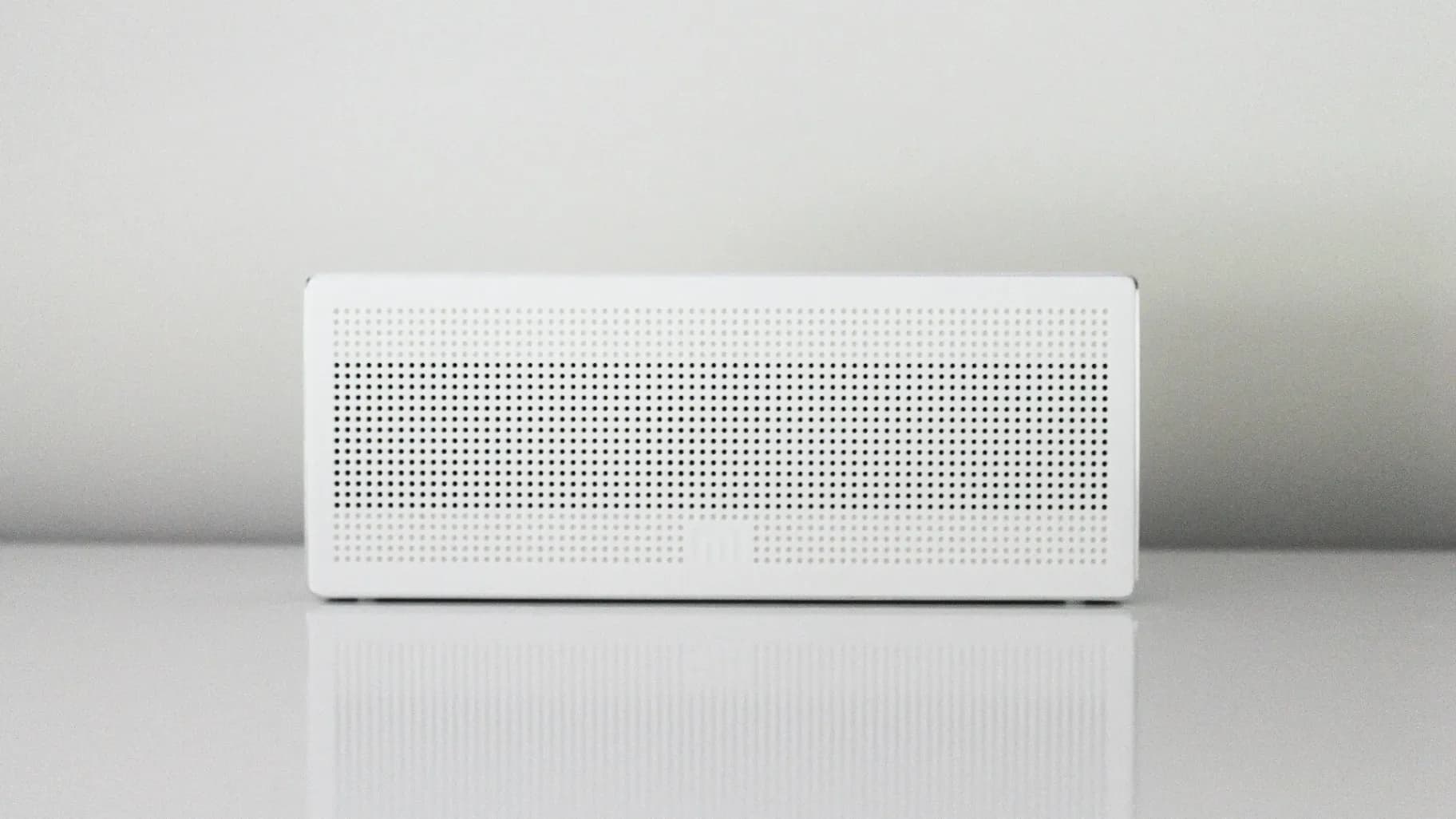
Air Purifiers to combat pollution · Image: Photo by Álvaro Bernal on Unsplash
When the air outside turns grey, an air purifier feels like the obvious fix. The trouble starts when every product promises “powerful purification”, “multi-stage protection” or coverage for an impressively large room.
Those claims aren't always comparable. A purifier that suits a small bedroom can struggle in an open living area, and a cheap machine can turn expensive if its replacement filters are hard to find.
It's easy to see why people are buying. Delhi recorded a 24-hour average AQI of 376 on Diwali 2026, the third-highest Diwali-day reading between 2018 and 2026, and India News Grid's analysis found the city's air was already close to “severe” before the celebrations began. Read the full comparison: Delhi’s Diwali AQI Reaches 376 in 2026, Third-Highest Since 2018.
If you're thinking of buying one, here's what actually matters before you place the order.
1. Measure the room before comparing air purifiers
Multiply the room's length by its width. A 12 ft by 10 ft bedroom, for example, is 120 sq ft.
Don't pick a purifier just because its advertised coverage is a little bigger than your room. Brands calculate coverage under different conditions, and open doors, high ceilings and connected spaces all add to the air the machine has to clean.
The US Environmental Protection Agency recommends choosing a portable air cleaner with a Clean Air Delivery Rate that suits the room it will run in, and sizing up for ceilings higher than 8 ft. Its Guide to Air Cleaners in the Home explains how room size and CADR relate.
2. Understand CADR- not only room coverage
CADR stands for Clean Air Delivery Rate. It indicates how much filtered air a purifier can deliver over a specified period.
A higher CADR generally means that a machine can remove particles more quickly or serve a larger area. Some products display separate figures for smoke, dust and pollen.
The smoke CADR is especially useful when comparing filtration of smaller particles. As a broad sizing reference, the EPA suggests choosing a smoke CADR in cubic feet per minute that is at least two-thirds of the room’s area in square feet. A 120-square-foot room would therefore require a smoke CADR of approximately 80 cfm or more.
Check the unit carefully. Indian product listings may state CADR in cubic metres per hour rather than cubic feet per minute.
Quick conversion: 1 cfm is roughly 1.7 m³/h. To turn a listing's m³/h figure into cfm, divide it by 1.7. So the 80 cfm a 120 sq ft room needs works out to about 136 m³/h, and a purifier rated at 300 m³/h delivers roughly 176 cfm.
CADR is measured at the highest fan speed. In sleep or low mode, the machine cleans much less air.
3. A worked example for a Delhi home
Take a typical bedroom in a Delhi flat: 12 ft by 10 ft, or 120 sq ft. Using the EPA's two-thirds rule, you'd want a smoke CADR of at least 80 cfm, about 136 m³/h. If the ceiling is higher than 8 ft, size up.
The living room of a 2BHK at 15 ft by 12 ft is 180 sq ft. That needs at least 120 cfm, about 204 m³/h. If the living and dining areas form one open space of around 250 sq ft, the target rises to roughly 167 cfm, or about 283 m³/h.
These are minimums. In a city with Delhi's pollution levels, choosing a purifier above the minimum is sensible.
A 2BHK with the bedroom doors shut is really two or three separate rooms, so one purifier won't clean the whole flat. Either buy one sized for the room you use most, or move it between rooms through the day.
4. Check what “HEPA” really means
HEPA stands for high-efficiency particulate air. A true HEPA filter is commonly defined as one that captures at least 99.97% of particles 0.3 microns in size, which is what you want for dust, smoke and fine particulate matter.
Be wary of “HEPA-type”, “HEPA-style” or “HEPA-like”. Those labels don't mean the filter meets a recognised HEPA standard.
Before you buy, ask:
What exact filter is installed?
Is there an independent test report?
Are replacement filters available, and for how long?
India has a specification for portable electric indoor air purifiers, IS 17531:2021, published by the Bureau of Indian Standards. The BIS lists it as a product specification but doesn't currently show mandatory certification for purifiers, so a “BIS” label on a listing isn't proof that the model is certified.
5. Particle filters and carbon filters do different jobs
A particle filter, such as HEPA, traps particles. An activated-carbon filter helps absorb some gases and odours.
A thin black sheet sold as a “carbon filter” may hold very little carbon, and listings rarely say how much is used.
A purifier also won't fix everything: it doesn't replace ventilation, regular cleaning or fixing damp and mould.
6. Watch out for ionisers and ozone
Some machines add ionisation, plasma, UV or other electronic cleaning features. Check whether you can switch these off, and whether the manufacturer gives clear information on ozone emissions.
The EPA advises against air cleaners that deliberately produce ozone in rooms where people are present. It also notes that some ionisers, electrostatic devices, plasma cleaners and poorly shielded UV systems can emit ozone.
More features don't automatically mean better or safer filtering.
7. Calculate the cost of replacement filters
The price tag is only the start. Before you choose a model, check:
The replacement filter's price and how often it needs changing
Whether genuine filters are reliably in stock
Whether the pre-filter can be washed
Warranty and service support in your city
A heavily discounted purifier is a bad buy if you can't find its filter six months later.
What it can cost in a year
Filters are the main recurring expense. Eureka Forbes, which sells purifiers, puts HEPA filter life at 6 to 12 months and activated carbon at 3 to 6 months, and says the two generally cost ₹1,600 to ₹9,000. Some purifiers also use chip-tagged filters that only accept the brand's own replacements, so cheaper third-party filters won't work. Check this before you buy.
Electricity is the smaller cost. At ₹8 a unit, a 35W purifier running 12 hours a day uses about 12.6 units a month, roughly ₹101 a month or ₹1,210 a year. Your actual rate depends on your electricity slab, so check your bill.
Add one filter change a year and the running cost comes to roughly ₹2,810 to ₹10,210, before you've paid for the machine itself. In a heavily polluted city, filters may need changing sooner, and a timer based only on running hours won't tell you the filter's real condition.
8. Compare noise at a useful operating speed
If a purifier is too loud to run at night, it'll spend most of its time switched off.
Brands often quote the quietest sleep-mode noise level while showing a CADR measured at full speed. Those two figures describe completely different settings.
Compare noise across speeds. If you can, listen to the machine before buying, or check independent tests that measure noise at useful fan speeds.
9. Placement affects performance

Put the purifier in the room where people spend the most time, with space around its air intake and outlet.
Don't push it behind a sofa, cover it with fabric or stand it against curtains. Blocking the airflow cuts how much room air passes through the filter.
One portable purifier is meant for one room or connected area, not a whole home with the doors shut.
10. A built-in air-quality display has limitations
Many purifiers have a particle sensor and a colour-coded light. It's useful for spotting broad changes, but it isn't a laboratory-grade reading, and a green light doesn't mean every pollutant is gone.
The display also only reflects the air near the machine. It isn't the same as the city's AQI average or the GRAP stage in force across Delhi-NCR. To understand live readings, daily averages and restrictions, read India News Grid's guide: AQI and GRAP Explained: What Delhi-NCR’s Air Quality Numbers and Restrictions Mean.
11. Ask these questions before you pay
What is the smoke or particle CADR, and is it in cfm or m³/h?
What room size and ceiling height was the coverage claim based on?
Which filter standard does it claim to meet?
How much does a replacement filter cost, and is it in stock?
Can the ioniser or plasma function be switched off?
How loud is it at medium and maximum speed?
Who handles warranty service in your city?
Buy an air purifier as a filtration appliance, not a gadget: sized for your room, affordable to maintain and quiet enough to run every day. No purifier removes every indoor pollutant, but knowing these basics will stop you paying for claims you don't need.