How Streaming and Algorithms Are Reshaping Shared Culture
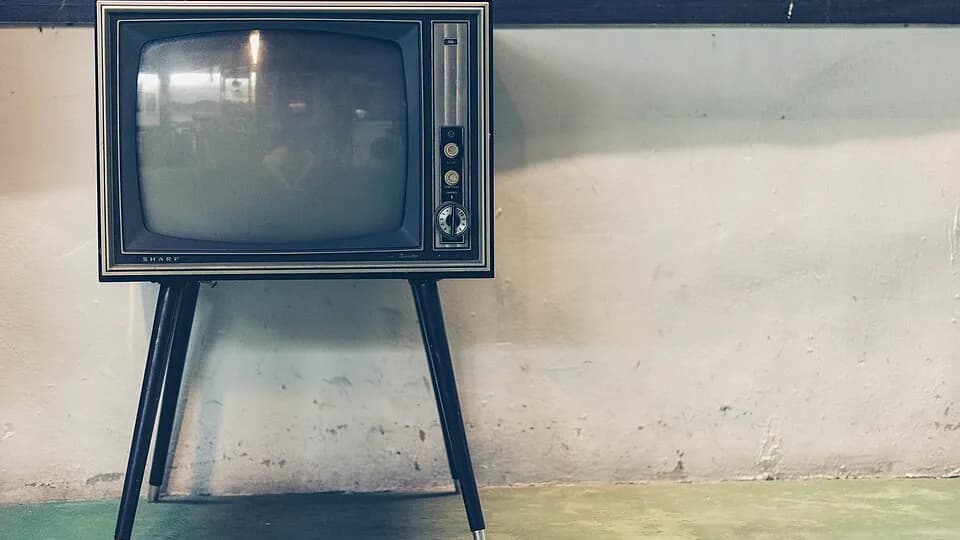
Photo: Sven Scheuermeier/ Unsplash via Wikimedia Commons ( CC0 Public Domain) Caption: A vintage television set.
How Personalized Feeds and OnDemand Viewing Transform Mass Audience Experiences
For decades, broadcast media operated on shared cultural moments. Today, we live in our own bubbles of content. This shift raises fundamental questions about how the future of social cohesion in an era of individualized media.
Prior to the digital era, asking older generations about their TV viewing habits yields immediate answers. People of the same generation often watched the same shows, listened to the same theme songs, and waited for the same finales. In India, during the late 1980s, Ramanand Sagar's television adaptation of Ramayan (1987-1988 on Doordarshan) brought millions of viewers together around television sets; though access and viewing experiences still varied across urban and rural regions. For a distinct moment in media history, television created widespread, synchronized public attention.
In contemporary media ecosystems, consumer attention is hyper-fragmented. The probability of a single media event capturing nationwide attention across diverse demographics has declined sharply. Today, audiences consume content tailored to niche interests across streaming services and social media platforms. Instead of everyone watching the same shows at the same time, we now follow our own personalized media diets.
The Monoculture, in Memoriam
Mass media monoculture was not necessarily a golden age for culture; it existed primarily because people had fewer choices. Throughout the mid to late 20th century, linear broadcasting was limited to a small number of TV channels, radio stations, and curated music charts. While viewers often watched similar programs, this reflected a scarcity of options rather than identical personal tastes.
The growth of high-speed internet and streaming services fundamentally changed how audiences consume media. Streaming platforms now offer vast catalogs of movies and TV shows, while music reaches listeners through customized playlists and social media feeds. Instead of following fixed broadcast schedules, viewers simply select content that matches their personal preferences whenever they choose.
Recommendation algorithms play a double role. While they often suggest familiar shows that match our existing habits, they can also introduce us to unexpected creators and global hits that traditional TV networks would never have aired. As a result, our media experiences have become distinctly individual, making shared national viewing far less common.
The Bright Side of a Broken Monoculture
The old system was not perfect. A few media companies controlled most of what people watched and heard, often leaving out underrepresented languages, cultures and niche interests.
Digital platforms have changed this dramatically. Today, an Indian web series or niche regional film can easily find viewers around the world, while independent musicians can build direct connections with fans online. However, there is a key difference between posting content and making a living from it; while anyone can publish online, getting noticed by algorithms and earning a steady income remains a huge challenge for new artists. Still for many viewers, losing the old gatekeepers feels less like a loss and more like new creative freedom.
Navigating Shared Cultural Connections
Culture is more than just entertainment it helps bring people together. In the past, watching the same television shows, hearing the same popular songs, and sharing big broadcast moments gave total strangers an easy, common topic for everyday conversation.
Today, people are part of many different online communities, but these groups do not always connect with one another. Someone may know everything about their favourite niche show or video game, while others around them enjoy completely different things. Major events like the ICC Men's Cricket World Cup 2023 or global breakout hits like Squid Game show that large audiences can still come together, but these moments need massive scale. As our daily viewing becomes more personal, finding common cultural topics now takes a bit more effort.
The Ghost of a Shared Culture
Shared culture has not disappeared; it has simply changed shape. Big live events, global releases, and viral moments still capture widespread attention. These show that even though we no longer all watch the same TV schedule automatically, our desire to share cultural experiences remains as strong as ever.
Keeping shared cultural connections alive simply takes intention. Instead of relying only on algorithms to decide what we watch, creating common ground is now a conscious choice. In a world of personalized recommendations, a shared experience begins with a simple invitation.