Bhai Dooj 2026: Date, Tilak Muhurat, Rituals and the Story of Yama and Yamuna
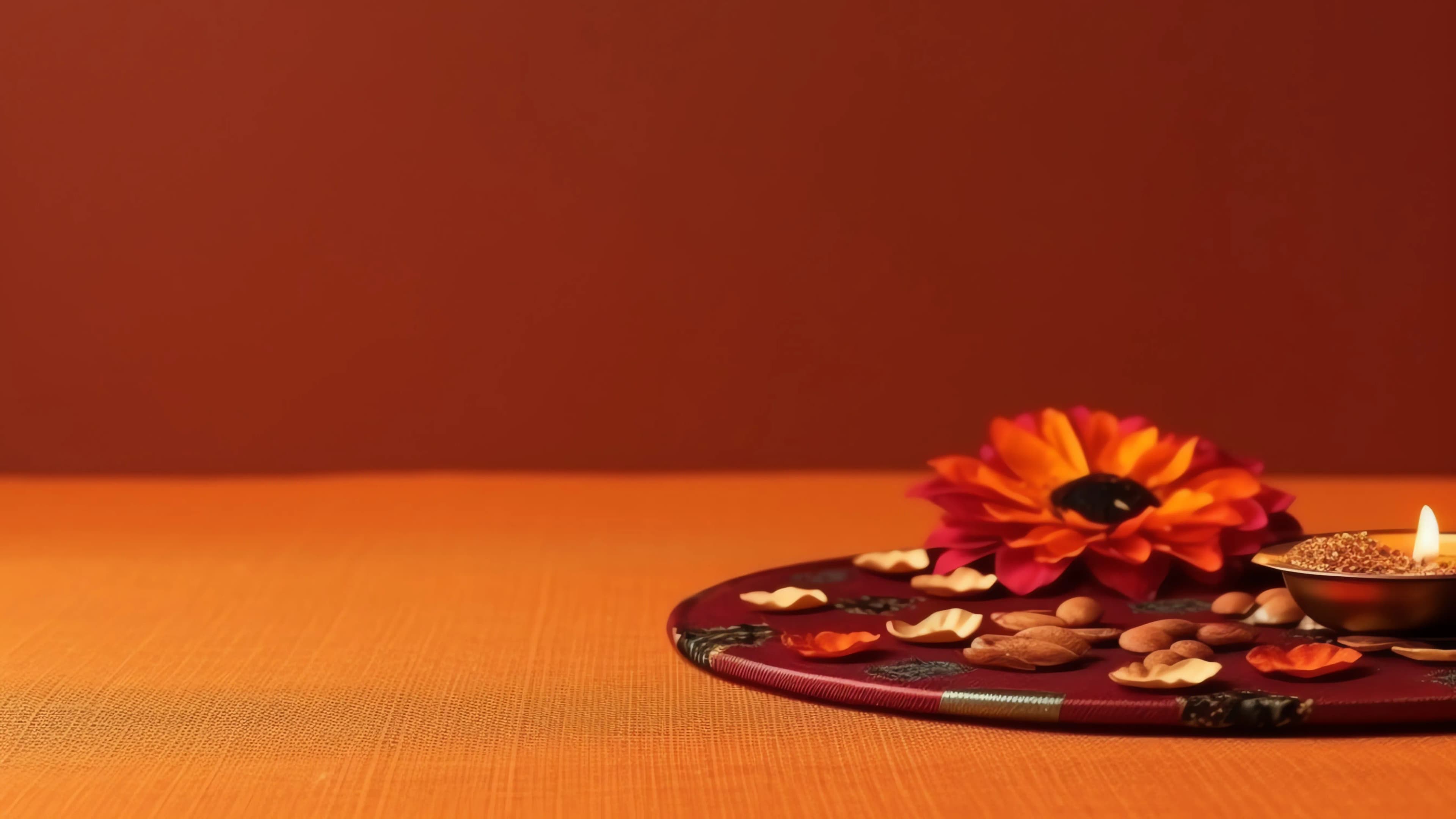
Thali for Bhai Duuj · Image: <a href="https://www.vecteezy.com/free-photos/bhai-dooj">Bhai Dooj Stock photos by Vecteezy</a>
Bhai Dooj falls on Wednesday, 11 November 2026. Here is the Delhi tilak timing, the traditional puja method and the meaning behind the final major celebration of the Diwali season.
Published: 8 November 2026 | Bhai Dooj will be celebrated on Wednesday, 11 November 2026. According to the New Delhi panchang, the preferred Aparahna period for the tilak ceremony is from 1:10 pm to 3:20 pm.
Also known as Bhaiya Dooj, Bhau Beej, Bhai Phonta and Yama Dwitiya, the festival celebrates the relationship between siblings. Sisters traditionally apply tilak to their brothers, perform aarti and pray for their wellbeing. Brothers commonly give gifts and share a meal with their sisters.
The names, food and precise rituals vary across India, but affection, hospitality and a sense of responsibility towards one another remain at the centre of the festival.
Bhai Dooj 2026 date and tilak time
For New Delhi, the Bhai Dooj timings are:
Bhai Dooj: Wednesday, 11 November 2026
Aparahna tilak muhurat: 1:10 pm to 3:20 pm
Duration: 2 hours and 10 minutes
Dwitiya Tithi begins: 2:00 pm on 10 November
Dwitiya Tithi ends: 3:53 pm on 11 November
The timing is based on the Drik Panchang calculation for Delhi.
Muhurat timings depend on location. People living outside Delhi should enter their city on a recognised panchang instead of treating the Delhi timing as universally applicable.
Why is Bhai Dooj celebrated?
Bhai Dooj is observed on Kartik Shukla Dwitiya, the second lunar day of the bright fortnight in the month of Kartik.
The festival is traditionally associated with Yama, the deity connected with death and justice, and his sister Yamuna, also referred to as Yami in some accounts.
According to the traditional story, Yamuna repeatedly invited her brother to visit her home. When Yama finally came, she welcomed him warmly, applied a ceremonial mark to his forehead and prepared a meal for him.
Pleased by his sister’s affection and hospitality, Yama offered her a boon. Yamuna asked that siblings who met on this day, shared a meal and prayed for one another should receive his blessings.
This association is why the observance is also known as Yama Dwitiya.
The Hindu American Foundation’s account of Bhai Beej and Yama Dwitiya connects the observance with Yama and Yami and describes the sacred mark, sweets, meal and gifts as central elements of the celebration.
A historical account preserved in the Census of India’s village survey archive also records the traditional story of Yamraj visiting his sister and granting a boon connected with the Bhai Dooj ceremony.
As with many festival traditions, the story has several regional retellings. It should be presented as religious tradition rather than documented history.
What is needed for Bhai Dooj tilak?
A simple Bhai Dooj thali may include:
roli or kumkum;
sandalwood paste, if used by the family;
unbroken rice or akshat;
a diya;
flowers;
sweets;
a coconut or fruit; and
a small gift.
Some families use a combination of kumkum and rice for the tilak. Others follow a regional custom involving sandalwood, kajal, betel nut or a multicoloured tika.
There is no need to purchase an elaborate commercial kit if the required items are already available at home.

How to perform the Bhai Dooj ceremony
The precise procedure differs between families. A simple ceremony can be performed in the following order:
Clean the puja space and prepare the thali.
The brother sits facing the direction followed in the family’s tradition.
The sister lights the diya and applies tilak to her brother’s forehead.
She places a few grains of unbroken rice over the tilak.
She performs aarti and offers flowers or sweets.
The sister prays for her brother’s health and wellbeing.
The brother offers her a gift as an expression of affection and gratitude.
The siblings share a meal or sweets with the family.
Families that follow a particular mantra, katha or inherited ritual should continue with their customary method.
Why is the tilak performed during Aparahna?
Bhai Dooj tilak is traditionally performed during Aparahna, the latter part of the day before evening.
The festival date is selected according to when Dwitiya Tithi prevails during the relevant Aparahna period. This is why simply counting two calendar days after Diwali can occasionally cause confusion.
In 2026, Dwitiya begins during the afternoon of 10 November and continues until 3:53 pm on 11 November. The applicable Aparahna observance in Delhi therefore falls on Wednesday, 11 November.
Bhai Dooj traditions across India
The festival appears under different names and customs across the country.
Bhai Dooj or Bhaiya Dooj is commonly used in northern India.
Bhau Beej is widely used in Maharashtra, Goa and parts of western India.
Bhai Phonta is observed in Bengal.
Bhai Tika is an important celebration in Nepal and some Himalayan communities.
Yama Dwitiya reflects the religious association with Yama and Yamuna.
The style of the tilak, food and prayers may differ. Bengali Bhai Phonta, for example, has its own customary recitations and foods, while Bhau Beej may place particular emphasis on the brother eating at his sister’s home.
These regional forms should not be reduced to one supposedly universal ritual.
Traditions worth preserving
Like several family festivals, Bhai Dooj can easily become centred on gifts and social-media photographs. Some of its quieter customs carry greater meaning.
Sharing a home-cooked meal
The traditional story is based not only on tilak but also on Yamuna welcoming Yama into her home and feeding him. Preparing or sharing a favourite family dish preserves an important part of the observance.
Visiting instead of only sending a message
Where distance and health permit, spending time together reflects the festival more meaningfully than forwarding a standard greeting. A video call can offer a more personal alternative when an in-person meeting is impossible.
Giving thoughtful rather than expensive gifts
The exchange represents gratitude. A handwritten note, book, useful household item or something connected with a shared memory may carry more significance than an expensive purchase.
Including the wider sibling relationship
The traditional ceremony describes a sister and brother, but its underlying value is mutual affection and responsibility. Families increasingly use the occasion to acknowledge sisters, cousins and sibling-like relationships while respecting their inherited customs.
Remembering that care must be reciprocal
The prayer should not imply that only the sister carries responsibility for the brother’s welfare. The brother’s gift and participation traditionally represent gratitude and a corresponding responsibility to support and respect his sister.
What if siblings cannot meet?
Siblings who live in different cities or countries can still observe the day personally.
They may arrange a video call during a mutually convenient time, recite a prayer, send a handwritten message or plan a meal together at a later date. A physical tilak may form part of the traditional ceremony, but distance does not prevent siblings from expressing its central values.
The meaning behind Bhai Dooj
Bhai Dooj is sometimes treated as a smaller celebration following Diwali. Its message, however, remains relevant: family relationships require attention, hospitality, gratitude and reciprocal care.
The tilak is the visible ritual. The deeper tradition is making time for one another after the lamps and celebrations of Diwali have ended.
Timing disclaimer: The tilak timing published above is calculated for New Delhi. Muhurats can vary according to location and panchang methodology. India News Grid has reproduced the timing from Drik Panchang and has not independently calculated or certified it. Families may confirm local timings with their customary temple, priest or astrologer.
#BhaiDooj2026 #BhaiDoojMuhurat #YamaDwitiya #BhauBeej #IndianFestivals