Diwali 2026 Puja Guide: Muhurat, Lakshmi Puja Rituals and Traditions Worth Preserving
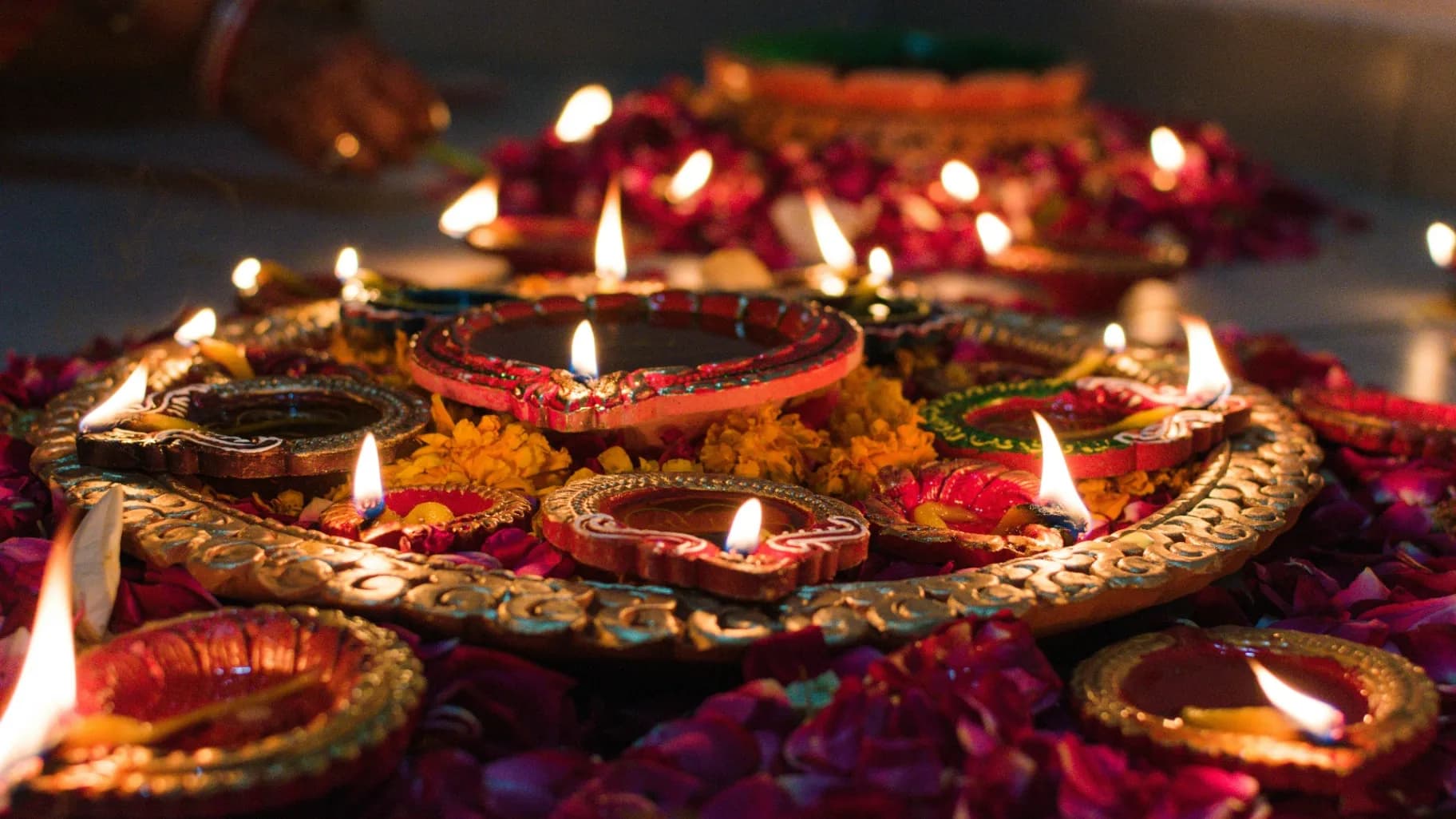
A simple Diwali celebration can preserve the festival’s focus on light, renewal and welcome. · Image: Photo by Udayaditya Barua on Unsplash
Diwali falls on Sunday, 8 November 2026. Here is the Lakshmi Puja timing, a simple puja method and the traditional practices families may want to bring back.
Published: 8 November 2026
Diwali will be celebrated on Sunday, 8 November 2026. In New Delhi, the principal Lakshmi pooja muhurat is from 5:54 pm to 7:50 pm, according to Drik Panchang.
The festival is commonly associated with prosperity, light and new beginnings. However, its older traditions were not limited to buying new things or decorating the house. Cleaning, settling accounts, lighting earthen lamps, making offerings, remembering ancestors, sharing food and seeking the blessings of elders were equally important parts of the observance.
Diwali 2026 date and Lakshmi Pooja muhurat
Diwali is observed on Kartika Amavasya. In 2026, Amavasya begins at approximately 11:27 am on 8 November and ends at 12:31 pm on 9 November.
For New Delhi, the main timings are:
Lakshmi Puja Muhurat: 5:54 pm to 7:50 pm
Pradosh Kaal: 5:31 pm to 8:09 pm
Vrishabha Lagna: 5:54 pm to 7:50 pm
Amavasya begins: 11:27 am on 8 November
Amavasya ends: 12:31 pm on 9 November
Drik Panchang explains that traditional texts such as Dharma Sindhu, Nirnaya Sindhu and Vratraj place Lakshmi Puja during Pradosh while Amavasya is prevailing. Many astrologers additionally prefer a fixed or sthira lagna for the worship.
The complete location-based calculation can be checked on the Drik Panchang Diwali 2026 page.
Diwali Puja timings in major Indian cities
The Lakshmi Puja window changes according to location:
Mumbai: 6:27 pm to 8:27 pm
Pune: 6:24 pm to 8:24 pm
Ahmedabad: 6:22 pm to 8:20 pm
Bengaluru: 6:17 pm to 8:20 pm
Chennai: 6:07 pm to 8:09 pm
Hyderabad: 6:07 pm to 8:08 pm
Jaipur: 6:03 pm to 7:59 pm
Gurugram: 5:55 pm to 7:51 pm
New Delhi: 5:54 pm to 7:50 pm
Noida: 5:54 pm to 7:49 pm
Chandigarh: 5:52 pm to 7:46 pm
Kolkata: 5:20 pm to 7:18 pm
Readers should use the timing calculated for their city rather than treating the Delhi muhurat as applicable throughout India.
A simple Lakshmi Puja at home
The exact puja procedure differs between families, regions and spiritual traditions. A household that already follows a customary method should continue with it.
For a simple home puja, the following items are commonly used:
an image or murti of Goddess Lakshmi and Lord Ganesha;
a clean chowki covered with a red or yellow cloth;
flowers, roli, kumkum, haldi and unbroken rice;
fruits, sweets, kheel or batashe;
a kalash, water and coconut;
ghee or oil diyas;
incense or camphor; and
coins, account books or work-related records, if traditionally worshipped.
A straightforward sequence can include:
Clean the puja area and take a bath before beginning.
Place the images or murtis respectfully on the prepared chowki.
Light a diya and take a simple sankalp, or statement of intention.
Worship Lord Ganesha first.
Offer flowers, kumkum, rice, sweets and prayers to Goddess Lakshmi.
If followed in the family, worship Lord Kuber, Goddess Saraswati, account books or professional tools.
Perform the Lakshmi-Ganesha aarti.
Distribute prasad and seek the blessings of elders.
An elaborate ritual is not essential for every family. Cleanliness, attention and sincerity matter more than purchasing an unnecessarily large puja kit.
What Indian astrologers recommend for Diwali 2026
Published astrological guidance for 2026 broadly agrees on performing Lakshmi-Ganesha Puja during the evening fixed Vrishabha Lagna.
Astrologer Ashutosh Clairvoyant recommends worshipping Lord Ganesha before Goddess Lakshmi and Lord Kuber. His published guidance also suggests lighting diyas around the home, keeping a ghee diya in the puja area and lighting a separate lamp in remembrance of ancestors. He gives Delhi’s approximate puja window as 5:55 pm to 7:50 pm, which closely matches the Drik Panchang calculation. His recommendations can be read in this Diwali 2026 interview.
Vedic astrologer Anuradha Sharda describes Lakshmi Puja as a prayer for more than material wealth. In her explanation, prosperity also encompasses health, wisdom, courage, patience and spiritual growth. She recommends lighting traditional oil lamps and approaching the festival as a time for reflection and new beginnings. Her comments were published in The Times of India’s Diwali 2026 astrology feature.
Astrologer Dr Arun Bansal, in a Diwali guide reviewed under his name, similarly places the puja on the evening of 8 November because Amavasya is present during Pradosh. The guide also discusses the older practice of closing and reopening account books as part of Diwali worship. The complete explanation appears on Indian Astrology’s Diwali 2026 page.
Astrological remedies are matters of faith and tradition. They should not be presented as guaranteed ways to obtain wealth, remove debt or change a person’s financial circumstances.
Traditions we may be leaving behind
Modern Diwali celebrations often concentrate on shopping, parties and decorative lighting. Some quieter practices deserve equal attention.
Lighting earthen diyas
Earthen lamps require more effort than switching on decorative lights, but they remain central to Diwali’s symbolism. Families traditionally place them near the puja area, entrance, courtyard, balcony or tulsi plant.
They should always be positioned away from curtains, dry decorations, children and animals.
Making rangoli at the entrance
Rangoli was traditionally made using materials such as rice flour, flowers, turmeric and natural colours. Beyond decoration, preparing it together gave family members a role in welcoming the festival.
Chopda Pujan and respecting one’s work
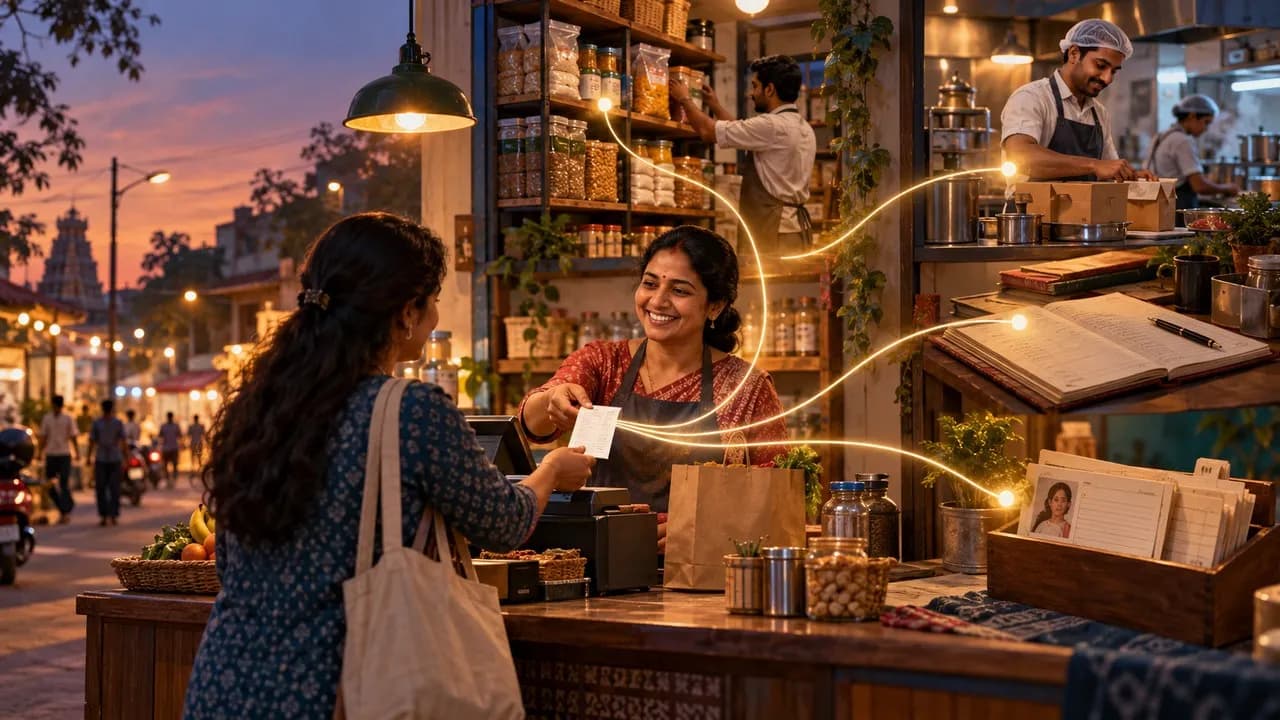
Merchants and business families traditionally perform Chopda Pujan, worshipping their account books and beginning a fresh financial ledger.
The idea can be adapted without turning it into a commercial ritual. A professional may place a diary, notebook or work instrument near the puja area and reflect on honesty, responsibility and ethical earnings.
Making and sharing food at home
Diwali sweets were once commonly prepared collectively at home and exchanged with neighbours. Even if every item cannot be homemade, preparing one family recipe can keep that connection alive.
Food can also be shared with domestic workers, security personnel and people who may otherwise be excluded from the celebration.
Remembering ancestors
Some family traditions light a separate diya in remembrance of ancestors. Practices vary considerably, so this should be followed only where it forms part of the family’s custom.
Seeking elders’ blessings
Visiting or calling older members of the family may appear simple, but it is one of the traditions most easily displaced by hurried celebrations and forwarded messages.
Charity before excess

Giving food, clothing or other essentials has long been associated with the broader idea of sharing prosperity. A portion of the festive budget can be directed towards someone who needs it instead of being spent only on decorations or gifts.
What can be avoided during Diwali Puja?
Traditions differ, but a few sensible principles apply:
Do not leave burning diyas unattended.
Do not use broken electrical decorations or overloaded sockets.
Avoid placing fire near rangoli made with flammable materials.
Do not treat expensive puja materials as necessary for receiving blessings.
Avoid arguments, intoxication or disrespectful conduct around the puja.
Do not circulate claims promising guaranteed wealth through a mantra, gemstone or paid ritual.
Do not follow a muhurat calculated for another city without checking your location.
Celebrate without losing the purpose
A meaningful Diwali need not be elaborate. Cleaning the home, lighting a few diyas, offering a sincere prayer, making something with the family, sharing food and remembering the people who came before us can carry more significance than an expensive celebration.
The older practices point towards a simple idea: prosperity is not merely what enters the home. It is also how responsibly it is earned, shared and used.
Disclaimer: Muhurat timings depend on location and the panchang methodology being followed. The listed timings are based on Drik Panchang and should be checked for the reader’s city. Astrological interpretations and remedies are traditional beliefs, not scientifically established guarantees or substitutes for financial, medical or professional advice.